Skip to content

FOR COMPANIES

Consulting for people and organisational culture.

People and culture consulting, with attention to relationships, leadership and the actual experience of employees.

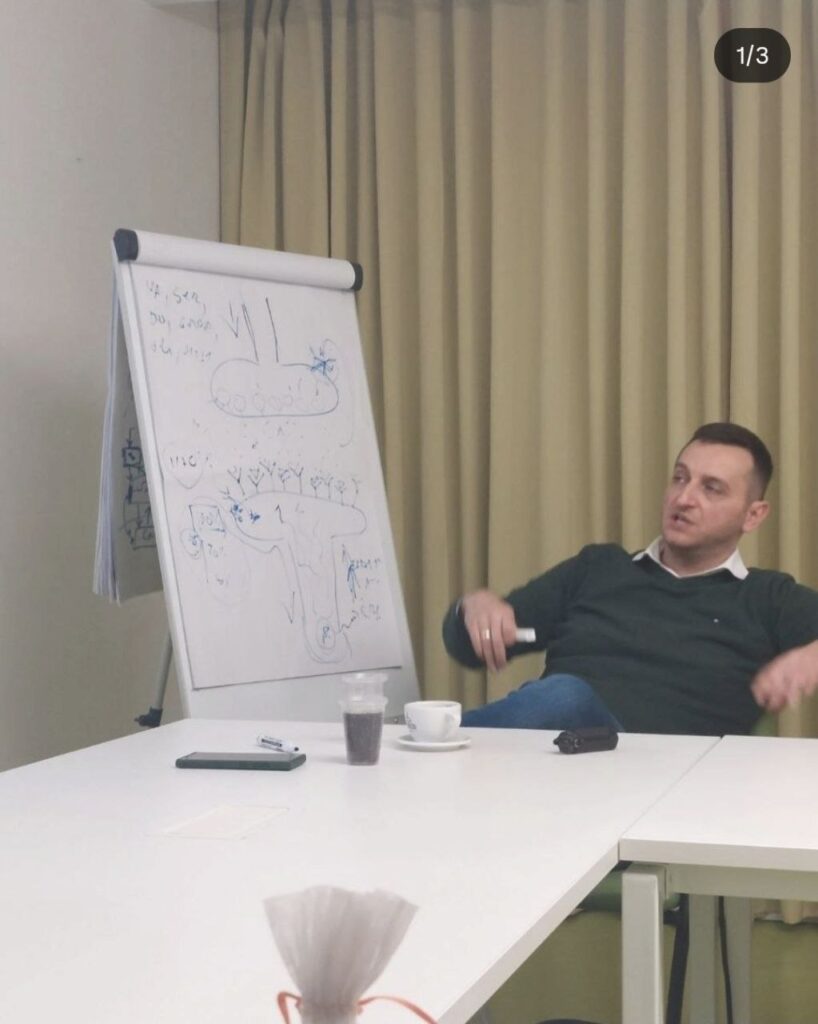
Petar Vojvodić · workshop

Petar Vojvodić during a workshop.

FORMAT & SCOPE

People and culture consulting starts with a clear brief.

Advisory conversations

A focused discussion with leaders or HR about a specific organisational challenge. We agree what needs to be understood and which decisions the work should support.

Workshops and team work

The topic, participants and format follow the needs of the team. The starting point can be communication, disagreements, new responsibilities or workplace pressure.

Scope and expected output

Before starting, we agree the goal, timeframe, responsibilities, fee and expected output, such as agreed recommendations or a plan for next steps. The scope determines the proposal.

Work is available in Serbian and English. Include your company, approximate team size and the issue you want to address in your inquiry.

CONTEXT MATTERS

Behind the processes are relationships.

Growth, changing responsibilities, team tensions and sustained pressure raise questions that procedures alone cannot explain. Understanding how people experience work and collaborate with one another matters.

I work with companies on people and organisational culture, bringing clinical and psychotherapeutic experience to an understanding of the workplace. Consulting addresses the organisation and its ways of working; individual clinical care has a separate framework.

Organisational culture

Understanding the everyday behaviours, expectations and relationships that shape work. The starting point is the particular organisation, its stage of development and its challenges.

Leadership and communication

How conversations happen, decisions are made, boundaries are set and disagreements are addressed. Attention to the human aspects of responsibility and collaboration.

Change and pressure

Exploring how change and demands affect people and teams. Considering sustainable ways of working and the expectations that support them.

Mental health at work

A professional perspective on stress, burnout and employee support. Distinguishing organisational questions from needs for individual professional care.

WORKING TOGETHER

From a question to a working agreement.

01

Understand the context

We start with the question that brings you here: what is happening in the company, who is involved and why it matters now.

02

Define the scope

We clarify the needs, responsibilities and scope in which professional support can be useful.

03

Agree how to work

The format and engagement details reflect the particular organisation. Expectations and confidentiality are agreed at the outset.

In your first inquiry, briefly describe your industry, company size or stage, and the challenge you would like to explore.

People and culture consulting: defining the right question

People and culture consulting often starts before a company has a precise brief. Conversations may be getting harder, responsibilities may overlap or decisions may be repeatedly delayed. A description of one real situation gives us a useful starting point for understanding what needs to change.

What should you prepare?

Explain who is requesting support, which team is involved and what has already been tried. The example might concern feedback, unclear ownership or a change in responsibilities. You do not need a finished intervention plan before making contact. The first task is to agree which question the work should address.

How do we assess the value of the work?

People and culture consulting is linked to agreed changes: clearer responsibilities, more useful conversations or recommendations for working practices. We discuss realistic expectations, the available time and the decisions that remain the company’s responsibility. Individual leadership development can also be explored through executive coaching.

The WHO overview of mental health at work provides a useful wider context. My professional biography explains the clinical and research experience that informs my work.

A conversation is a good place to start.

Tell me what you have in mind, and we can explore the right way to work together.